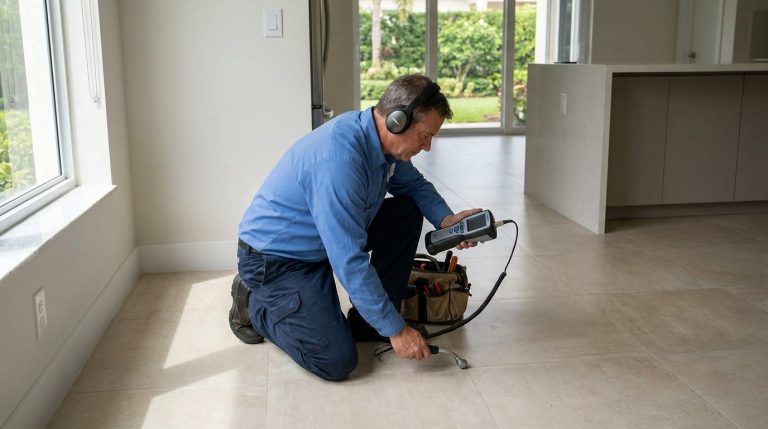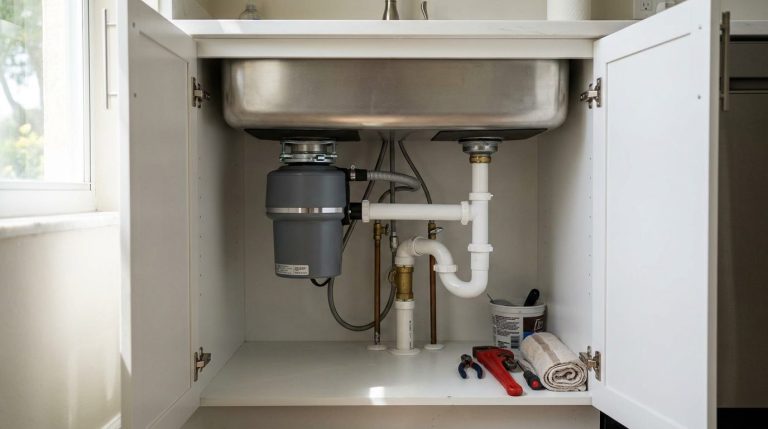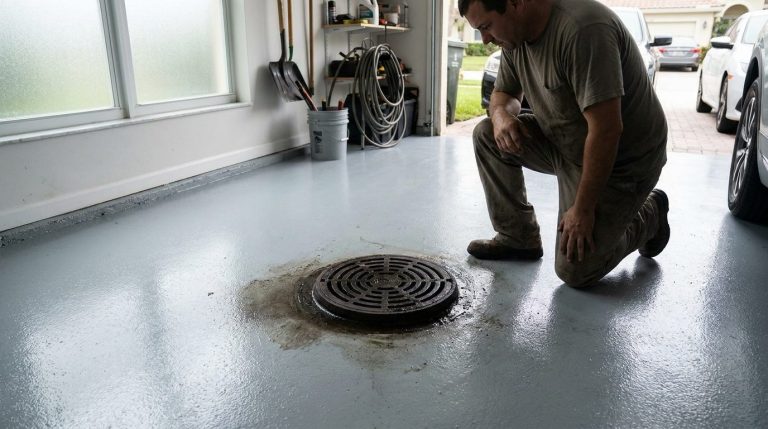
When your kitchen's workhorse suddenly goes silent, it can bring meal prep and cleanup to a halt. This guide walks Boca Raton homeowners through safe, simple troubleshooting steps for a dead garbage disposal and clarifies exactly when to call a professional.
If your garbage disposal is not working at all in your Boca Raton home, the most common causes are a tripped circuit breaker, a triggered internal overload protector, or a jammed flywheel. As of October 2026, homeowners can safely check the breaker and press the unit's reset button, but should never put hands or foreign objects inside the disposal chamber to clear a jam.
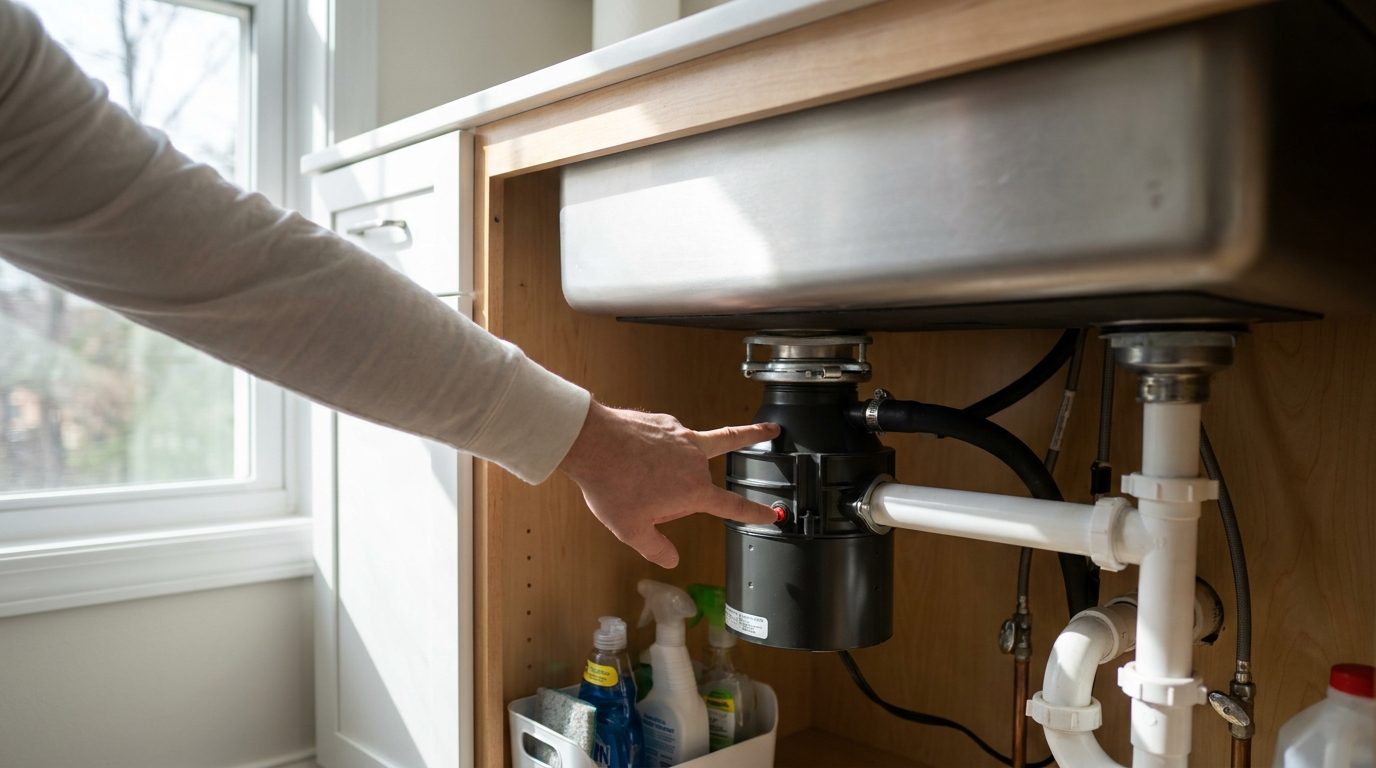
When your garbage disposal is completely dead, first check your home's main circuit breaker for the kitchen. If it's on, locate and firmly press the small red or black reset button on the bottom of the disposal unit itself. If neither of these simple, safe steps restores power, the unit has a more serious jam, an internal failure, or an electrical issue requiring a licensed plumber.
Why Did My Garbage Disposal Suddenly Stop Working?
That sudden silence from under your sink can be jarring. One moment it’s working fine, the next, nothing. When a garbage disposal is completely dead—no hum, no buzz, no sign of life—the problem almost always falls into one of four categories. Understanding them can help you diagnose the issue safely.
- Tripped Circuit Breaker or GFCI: This is the most frequent and simplest cause. Garbage disposals draw a significant amount of power, and starting the motor while it’s trying to grind tough waste can cause a momentary power surge that trips the breaker. In Florida, stormy weather and lightning can also cause breakers to trip. Many kitchen outlets are also protected by a Ground Fault Circuit Interrupter (GFCI), which can trip independently of the main breaker.
- Internal Overload Protector: Every garbage disposal has a built-in safety feature, a small reset button. This button, technically an overload protector, acts like a mini-circuit breaker just for the disposal. It trips automatically when the motor overheats, which can happen from running it for too long or, more commonly, when it struggles against a tough jam.
- A Severe Jam: If an object like a piece of silverware, a bottle cap, or a large bone gets lodged between the grinding plate (impellers) and the chamber wall, it can stop the motor dead in its tracks. A humming sound usually indicates a jam, but a severe one can prevent the motor from even attempting to start, resulting in silence.
- Motor or Electrical Failure: This is the least common, but most serious, cause. After years of service, the motor can simply burn out. Internal wiring can fail, or the power switch itself might be broken. If you’ve tried all the simple resets and the unit is still dead, it may have reached the end of its life.
A Safe, Step-by-Step Guide to Troubleshooting
Before you attempt any of these steps, your safety is paramount. A garbage disposal is an electrical appliance in a wet environment. Follow these instructions precisely.
"Never, under any circumstances, put your hand inside the grinding chamber of a garbage disposal. Even with the power off, this is the number one rule of disposal safety."West Boca Water Heaters Safety Guideline
- Turn Off All Power: Do not just flip the wall switch. Go to your home’s main electrical panel and turn off the breaker that controls the garbage disposal. If you’re unsure which one it is, turn off the main breaker for the entire house. This is a non-negotiable safety step.
- Check the Wall Switch and GFCI Outlet: Ensure the wall switch for the disposal is in the ‘ON’ position. Then, look for a nearby GFCI outlet (the kind with ‘TEST’ and ‘RESET’ buttons). Press the ‘RESET’ button firmly. Sometimes this is all it takes.
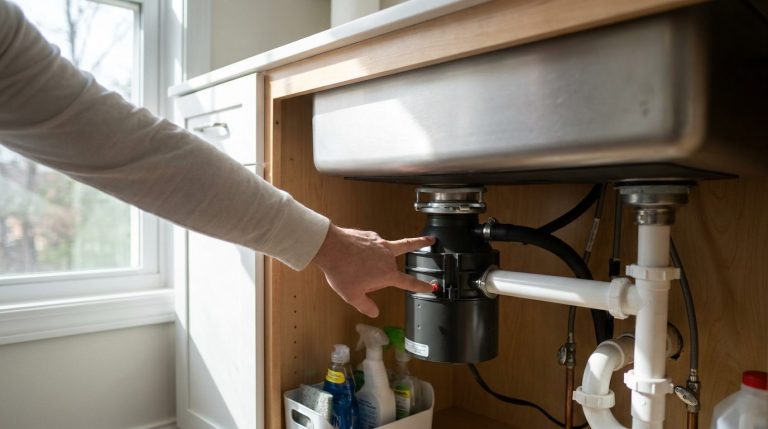
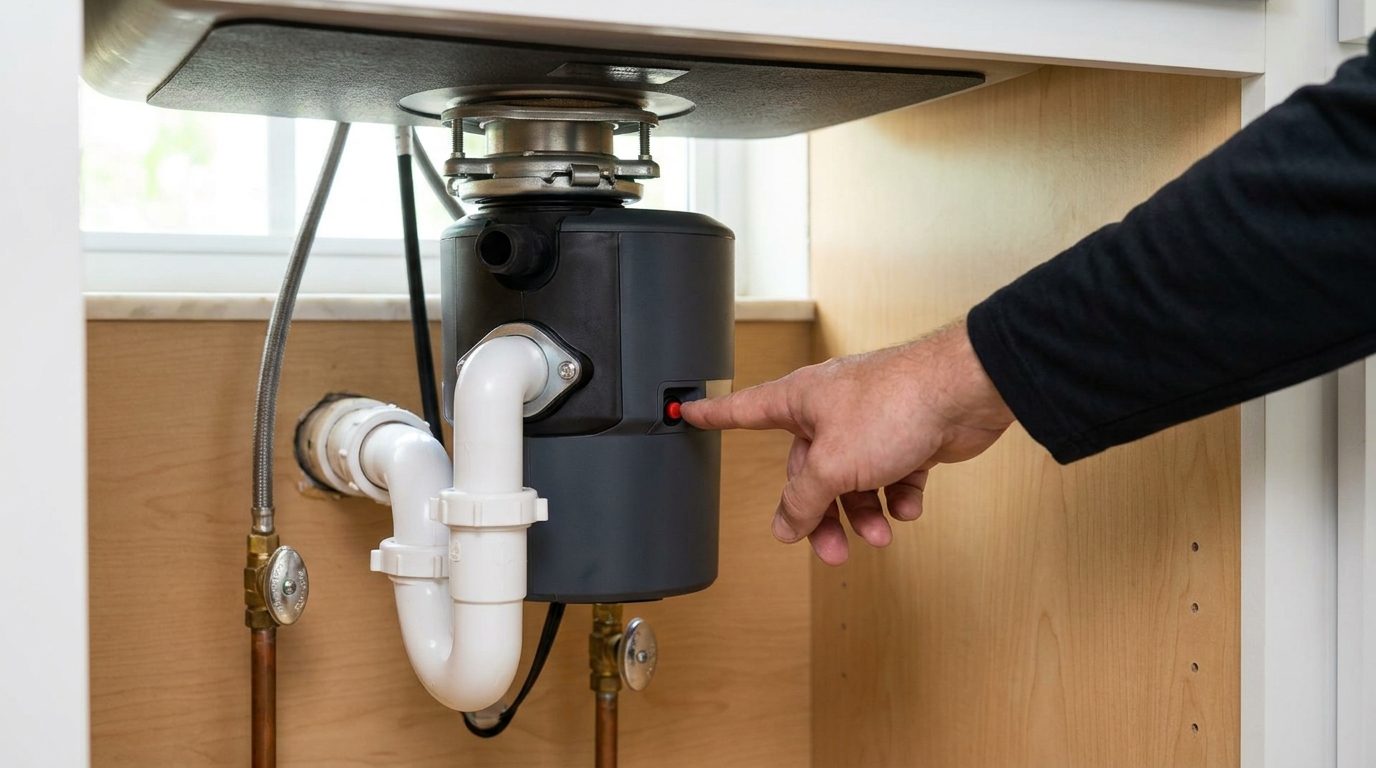
- Locate and Press the Reset Button: Look under the sink at the very bottom of the disposal unit. You will find a small, recessed button, usually red or black. If this button has popped out, press it in firmly until it clicks and stays in. This resets the internal overload protector.
- Visually Inspect for a Jam: With the power still off at the breaker, take a flashlight and look down into the disposal from the sink drain. See if you can spot any obvious obstructions like a fork, bone, or fruit pit. If you see something, use tongs or pliers to retrieve it. Again, do not use your hands.
- Use the Jam-Buster Wrench: Most disposals come with a small Allen wrench (also called a hex key). There is a corresponding hexagonal hole in the center of the bottom of the unit. Insert the wrench and turn it back and forth. This manually moves the grinding plates, which can often dislodge whatever is causing the jam. Once it moves freely, remove the wrench.
- Restore Power and Test: Go back to the electrical panel and turn the breaker on. Run cold water into the sink and then try turning on the disposal from the wall switch. If it runs, you’ve likely solved the problem. If it trips the breaker or reset button again immediately, you have a more serious issue.
What If My Disposal Is Humming But Not Spinning?
A humming sound is actually good news, in a way. It means the motor is receiving power and is trying to work, but something is physically stopping it from turning. This is a classic sign of a jam.
In this scenario, the problem is almost certainly not electrical. The motor is engaged but stuck. Immediately turn the disposal off. Leaving it on while it’s humming can cause the motor to overheat and burn out, turning a simple fix into a full replacement.
Follow the same safety procedure as above:
- Turn off the power at the main circuit breaker.
- Visually inspect for the foreign object with a flashlight and remove it with tongs or pliers.
- If you can’t see anything, use the Allen wrench on the bottom of the unit to work the plates back and forth until the obstruction is freed.
- Once the plates move freely for a full rotation, restore power and test with cold water running.
If you’ve tried this and the unit still only hums, the jam may be too severe or the motor could be damaged. Do not keep trying to force it; it’s time to call a professional.
Don't Risk Your Fingers or Your Home's Wiring.
Over my 25+ years as a plumber in South Florida, I've seen countless kitchen plumbing issues. A dead garbage disposal is one of the most common calls we get. While a reset is often a simple fix, I've also seen what happens when things go wrong. I've been called out after a homeowner used a screwdriver to pry a jam and punctured the unit, causing a major leak. I've seen units improperly wired by handymen, creating a serious electrical hazard under the sink.
Your garbage disposal isn't just a drain; it's a powerful motor connected to your home's electrical and plumbing systems. If a simple reset doesn't work, the risk isn't worth it. A licensed professional can diagnose the problem in minutes, check the wiring, and ensure everything is safe and up to code. It's a quick, affordable service call that gives you peace of mind.
When Is It Time to Call a Licensed Plumber in Boca Raton?
DIY troubleshooting is great for simple issues, but knowing your limits is key to avoiding injury or costly damage. It’s time to call for professional help if you encounter any of the following:
- The reset steps don’t work: If you’ve checked the breaker, the GFCI, and the disposal’s reset button and it’s still completely dead, there’s likely an issue with the switch, the wiring, or the motor itself.
- Persistent humming: If you’ve tried to manually clear a jam with the Allen wrench and the motor still only hums, the object is too firmly lodged or the motor may be seized.
- Water leaking from the unit: A leak from the bottom of the disposal housing usually means an internal seal has failed. This is not repairable; the entire unit must be replaced.
- Frequent jams or trips: If you’re having to reset your disposal every week, it’s a sign that the unit is underpowered for your needs or that its blades are too worn to function effectively.
- Loud, unusual metallic noises: Grinding or clanking sounds that are much louder than normal can indicate broken internal components. Continuing to run it can cause more damage.
- You’re just not comfortable: Working under a sink with plumbing and electrical lines isn’t for everyone. If you’re not 100% confident, the safest and most effective option is to call a pro. A licensed master plumber with 25+ years of hands-on experience can diagnose and resolve the issue quickly and safely.
Common Mistakes Homeowners Make That Damage Disposals
Many garbage disposal service calls could be avoided. By steering clear of these common mistakes, you can extend the life of your appliance and prevent frustrating breakdowns.
Putting Hands in the Disposal
This is the most dangerous mistake possible. Even if you think the power is off, a faulty switch or unexpected power restoration could lead to severe injury. Always use tongs or pliers to retrieve objects.
Using Harsh Chemical Drain Cleaners
Caustic chemical cleaners can corrode the metal and rubber components inside your disposal, leading to premature failure and leaks. They are also harmful to your home's pipes and the environment.
Forcing a Jam from Above
Never use a broom handle, screwdriver, or any other object to force a jam from the top. You are likely to bend or break the impellers or puncture the housing, causing an unrepairable leak.
Hiring an Unlicensed Handyman
A garbage disposal involves both plumbing and electrical work. An unlicensed individual may not understand proper wiring, grounding, or plumbing code, creating a safety hazard. Always verify a plumber's license with the state. (Source: Florida DBPR).
Not Using Enough Cold Water
Always run a strong stream of cold water before, during, and for at least 30 seconds after using the disposal. This helps solidify any grease or fats so they can be chopped up and washed away, and it carries the food particles all the way down the drain line.
Grinding the Wrong Things
Putting fibrous materials (celery, corn husks), expandable foods (pasta, rice), or large quantities of coffee grounds or eggshells down the disposal is a recipe for persistent clogs.
The Bottom Line: Should You Repair or Replace Your Garbage Disposal?
When you call a plumber, they’ll help you make the call: repair the old unit or invest in a new one. Here’s a quick guide to help you understand the likely recommendation based on your situation.
Unit is Under 5 Years Old
For a newer unit with a simple jam, a reset issue, or a clog, a repair is almost always the most economical choice. The core components are still in good shape.
Unit is Over 8 Years Old or Leaking
If your disposal is leaking from the main housing, making loud grinding noises, or is approaching a decade of use, replacement is the wisest investment. The cost of a major repair can often be half the price of a new, more reliable unit.
Frequent Jams or Kitchen Remodel
If your current 1/3 or 1/2 HP unit constantly struggles, consider upgrading to a 3/4 or 1 HP model with stainless steel components. They handle waste better, run quieter, and last longer, especially in busy kitchens.
Garbage Disposal Maintenance Checklist for Boca Raton Homes
Keep Your Disposal Running Smoothly
A few simple habits can dramatically extend the life of your garbage disposal and prevent most common problems.
- Cold Water is Key. Always run a strong flow of cold water before, during, and for 30 seconds after grinding.
- Cut It Down to Size. Chop larger food scraps into smaller pieces before putting them in the disposal.
- Avoid Fibrous Foods. Keep celery, asparagus, corn husks, and artichokes out of the disposal as their fibers can wrap around the blades.
- No Grease or Oil. Never pour grease, fat, or oil down the drain. It congeals and causes major clogs in the entire plumbing system.
- Grind Hard Materials Sparingly. Small chicken bones or fruit pits can actually help clean the grinding chamber, but don't overdo it.
- Clean It Naturally. Once a month, grind up a tray of ice cubes followed by some citrus peels (lemon, orange) to clean the chamber and freshen the drain.
- Listen for Trouble. Pay attention to the sounds your disposal makes. If you hear new, unusual grinding or rattling, investigate before it becomes a major jam.
Frequently Asked Questions
Why does my garbage disposal have no power at all?
If your garbage disposal is completely dead with no sound, the cause is almost always electrical. The most common reasons are a tripped circuit breaker in your home's main panel, a tripped GFCI outlet (common for kitchen appliances), or the disposal's own internal overload protector (reset button) has been triggered due to overheating or a jam.
Where is the reset button on a garbage disposal?
The reset button is a small, typically red or black button located on the bottom of the garbage disposal unit itself. You will need to look under your sink to find it. If it has popped out (usually about a quarter of an inch), pressing it back in firmly until it clicks should restore power after the unit has had a few minutes to cool down.
Is it worth fixing a garbage disposal in Boca Raton?
It depends on the age of the unit and the nature of the problem. If your disposal is less than 5 years old and has a simple jam or electrical reset issue, a repair is very cost-effective. However, if the unit is over 8 years old, is leaking from its main housing, or has a burned-out motor, replacing it is almost always the better financial choice.
How long should a garbage disposal last in Florida?
In Florida, the lifespan of a garbage disposal is typically 8 to 12 years. The hard water common in areas like Boca Raton and the high humidity can contribute to corrosion and wear. Higher-quality models with stainless steel grinding components tend to last longer than basic builder-grade units.
Can I use a plunger on a clogged garbage disposal?
You should avoid using a plunger on the disposal side of a double sink. The pressure can damage the seals and create leaks. If you have a clog, it's better to address the disposal jam first. If the drain line itself is clogged, it's safer to have a plumber assess the situation, as plunging can sometimes push the blockage further down the pipe.
What should I never put down my garbage disposal?
To prevent jams and damage, never put these items down your disposal: grease, oil, or fat (they solidify in pipes); fibrous vegetables like celery, corn husks, and artichokes; expandable foods like pasta and rice; coffee grounds (they create sediment); and hard materials like bones, fruit pits, or shells.
How do I know if my garbage disposal motor is burned out?
A burned-out motor will show several signs. The unit will be completely unresponsive—no humming or movement—even after you've confirmed the breaker is on and the reset button is engaged. You might also notice a distinct electrical or burning smell coming from the unit. In this case, the disposal is beyond repair and must be replaced.
Garbage Disposal Still Dead? Get It Fixed Today.
Don't let a broken garbage disposal disrupt your kitchen. The owner-operated team at West Boca Water Heaters provides fast, expert garbage disposal repair and replacement in Boca Raton, Delray Beach, and across South Palm Beach County. We offer upfront pricing and 24/7 emergency service. Call us to get an upfront quote and restore your kitchen's convenience.