That faint, persistent hissing from your toilet isn't just annoying—it's the sound of money and water going down the drain. We'll show you how to pinpoint the source of the leak in minutes.
To tell if your toilet fill valve is leaking internally, use the dye test: add a few drops of food coloring to the water inside the tank, wait 30 minutes without flushing, and check the bowl. As of October 2026, if the water in the bowl remains clear but you hear the toilet refilling intermittently (ghost flushing), the fill valve is the most likely culprit, slowly leaking water down the overflow tube.
An internal fill valve leak can be confirmed with the dye test. If the water in your toilet bowl stays clear after adding dye to the tank, but the tank's water level still drops or you hear it refilling, your fill valve is leaking. West Boca Water Heaters can diagnose and fix this common Boca Raton plumbing issue, preventing water waste and high bills.
What Is a Toilet Fill Valve and Why Does It Fail?
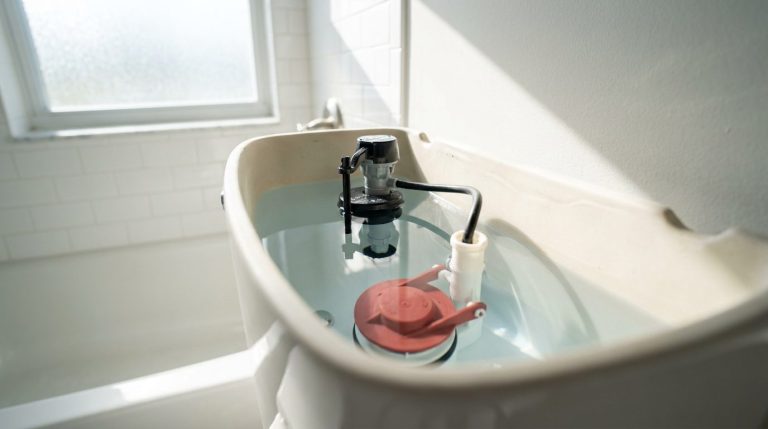
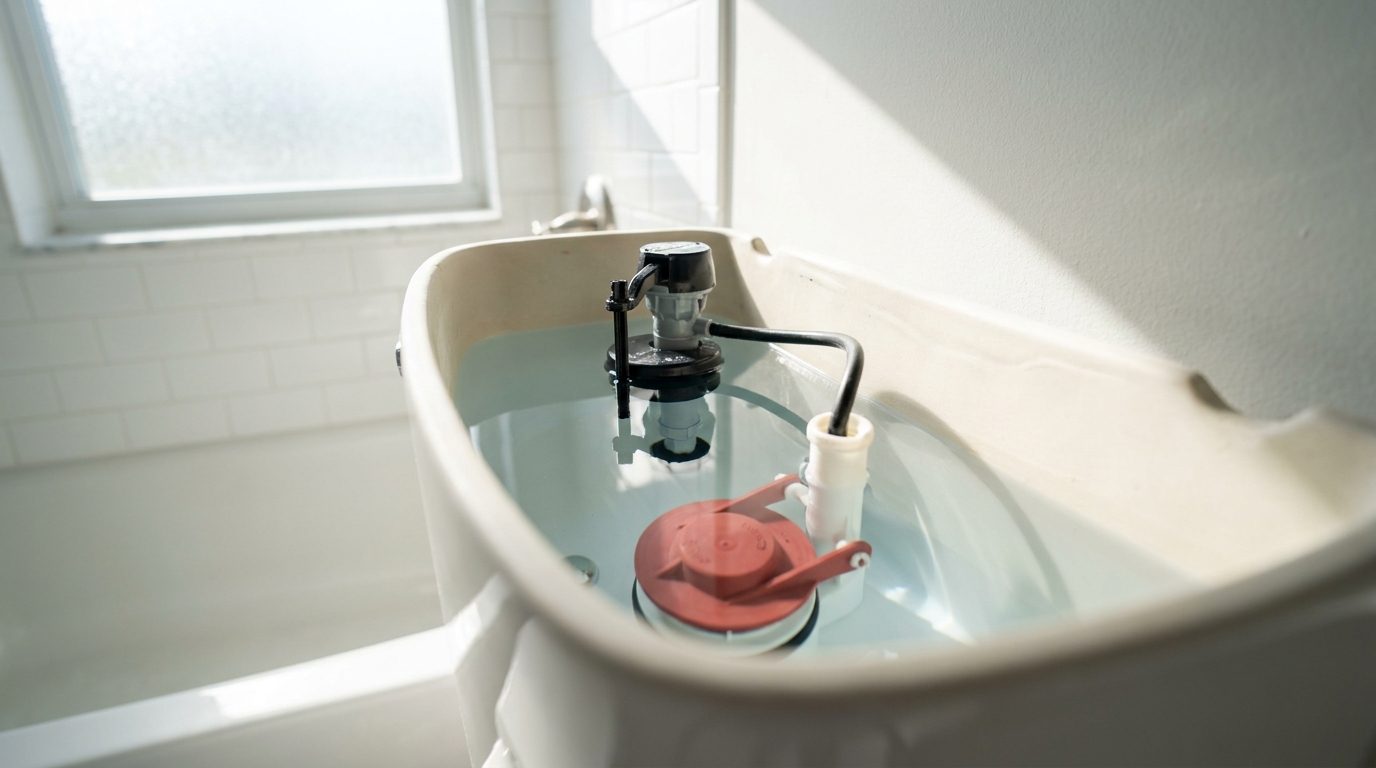
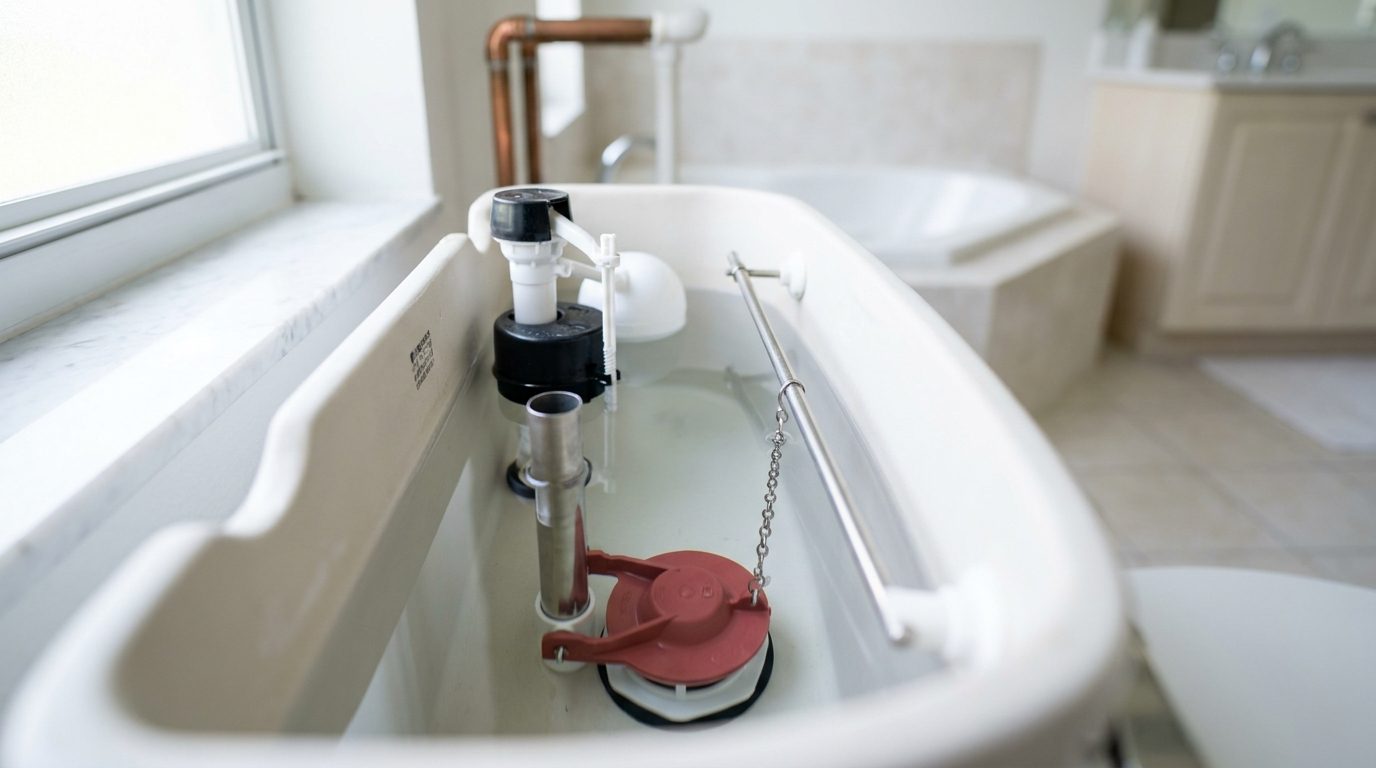
A toilet fill valve is the tall assembly inside your toilet tank, typically on the left side. Its job is simple but critical: after you flush, it opens to refill the tank and the bowl with fresh water, and once the water reaches a preset level (controlled by a float), it shuts off completely. A properly functioning valve creates a perfect seal, holding the water in the tank until the next flush.
In places like Boca Raton, these valves are under constant stress from hard water. Over time, several things can go wrong:
- Worn-Out Seals: The small rubber seals inside the valve can degrade, crack, or get clogged with mineral deposits, preventing a complete shut-off.
- Debris Contamination: Sediment from the water line can get lodged in the valve, holding it slightly open and causing a constant, slow leak.
- Float Malfunction: The float mechanism can become waterlogged, misaligned, or stuck, failing to signal the valve to close at the correct water level. This often causes water to spill continuously into the overflow tube.
- Cracked Components: The plastic components can become brittle with age and develop hairline cracks, leading to hidden leaks within the assembly itself.
A Step-by-Step Guide to Confirming an Internal Leak
Before you call a plumber or head to the hardware store, a few simple, safe tests can confirm exactly where your toilet leak is coming from. You won’t need any special tools for this—just your eyes, ears, and a bit of food coloring.
"A running toilet is the most common call we get. Most homeowners are shocked to learn it can waste thousands of gallons a month."West Boca Water Heaters
- The Listening Test: The easiest first step. After the toilet has completely finished its flush cycle, lean in close to the tank and listen. Do you hear a faint hissing or the sound of running water? This is a tell-tale sign that water is still flowing into the tank when it shouldn’t be.
- The Dye Test (The Definitive Check): This is the gold standard for diagnosing toilet leaks. Carefully remove the tank lid and place it somewhere safe where it won’t be broken. Add about 10-12 drops of dark food coloring (blue or green works best) into the tank water. Do not flush the toilet.
- Wait 30 Minutes: Set a timer and walk away. This gives the dye time to seep wherever the water is leaking. It’s crucial that no one uses the toilet during this time.
- Inspect the Bowl: After 30 minutes, look inside the toilet bowl.
- If you see colored water in the bowl: Your problem is a leaking flapper (the rubber seal at the bottom of the tank), not the fill valve. The flapper isn’t sealing properly, allowing tank water to leak directly into the bowl.
- If the bowl water is still clear: This strongly suggests the fill valve is the issue. The leak is happening internally, with water trickling from the valve down the overflow tube. You won’t see dye in the bowl because the water is bypassing it, but you will notice the water level in the tank has dropped or the toilet kicks on to refill.
Is This a DIY Fix or Should I Call a Plumber?
Once you’ve diagnosed an internal fill valve leak, the next question is whether to tackle it yourself. The answer depends on your comfort level with basic plumbing and, importantly, where you live.
The DIY Scenario
For a handy homeowner in a single-family home, replacing a fill valve is a common and achievable DIY project. The replacement kits are readily available for $20-$40. The basic process involves shutting off the water supply, draining the tank, removing the old valve, installing the new one, and reconnecting the water supply. It usually takes less than an hour.
When You MUST Call a Licensed Plumber
There are several situations where a DIY attempt is risky and calling a professional is the only safe and responsible choice. This is especially true for the many condo and HOA residents in our area.
- If You Live in a Condo or HOA: This is non-negotiable. A botched repair can cause a major flood, damaging the unit below you and potentially common areas. Your HOA rules almost certainly require any plumbing work to be done by a licensed and insured professional to protect all residents. Using a handyman could leave you liable for thousands in damages.
- If the Shut-off Valve is Old or Stuck: The small valve behind your toilet (the angle stop) can seize up from age and mineral buildup. Trying to force it can cause it to snap, creating an uncontrollable gusher. A plumber has the tools and experience to handle this safely.
- If the Leak Persists After Your Repair: If you replaced the part and the toilet still runs, the problem may be more complex, such as an incorrect installation, a mismatched part, or even a hairline crack in the porcelain you can’t see.
- If You See Water on the Floor: Water pooling around the base of the toilet indicates a different problem, likely a failed wax ring. This requires removing the entire toilet to fix and is best left to a professional.
For these situations, you need the peace of mind that comes with hiring a licensed and insured master plumber. It turns a potential catastrophe into a routine fix.
Don't Let a $20 Part Cause $20,000 in Damage.
With over 25 years of experience, I've seen more water damage from a failed toilet supply line than almost any other plumbing issue. Homeowners focus on the $20 fill valve, but the real danger is the 15-year-old, corroded shut-off valve and supply hose. When you try to turn that old valve, it can break right off in your hand. That's when a small leak becomes a full-blown flood in seconds.
Especially in Boca Raton's high-rise condos, that water doesn't just ruin your floor; it ruins your neighbor's ceiling below. When we handle a simple toilet repair, we aren't just changing a part. We're assessing the entire system—the valve, the line, the flange—to ensure the whole setup is sound. That's the difference between a quick fix and a lasting, safe repair.
How Much Does It Cost to Fix a Leaking Fill Valve in Boca Raton?
Understanding the potential cost helps you make an informed decision. Prices can vary, but here are some realistic ranges for our area.
As of October 2026, here’s a breakdown:
- DIY Cost: The cost of the replacement fill valve kit from a local hardware store, typically between $20 and $40.
- Professional Plumber Cost: For a licensed and insured plumber in the Boca Raton area, you can expect to pay between $175 and $350. This price typically includes the service call fee, the new part (a high-quality, professional-grade valve), labor, a full inspection of the toilet’s components, and a warranty on the workmanship.
Factors that can increase the professional cost include after-hours emergency service, or if the plumber discovers the shut-off valve and supply line also need replacement due to corrosion or leaks—a common issue in older South Florida homes needing corroded or leaking pipe repairs.
Common Mistakes Homeowners Make When Fixing a Toilet Leak
A simple repair can go wrong quickly. Avoiding these common pitfalls will save you time, money, and a major headache.
Overtightening Connections
The nuts connecting the tank to the bowl and the water supply line to the fill valve are plastic. Overtightening them can easily crack the porcelain tank or strip the plastic threads, causing a much worse leak than you started with. Hand-tight plus a gentle quarter-turn with a wrench is usually enough.
Buying the Wrong Parts
While many fill valves are 'universal,' they don't fit every toilet, especially high-efficiency or designer models. Taking a picture of your toilet's interior before you go to the store can help ensure you get the right replacement part for your specific model.
Forcing a Stuck Shut-off Valve
If the angle stop valve behind the toilet won't turn, don't force it with a large wrench. These valves corrode internally and the stem can snap, creating an emergency. If it doesn't turn with moderate hand pressure, it's time to call a pro.
Misdiagnosing the Problem
Many homeowners replace the fill valve only to find the toilet still runs because the flapper was the actual culprit. Always perform the dye test first to be 100% sure which part has failed before you begin any work.
Not Verifying a Plumber's License
Hiring a 'handyman' to save money is a huge risk, especially in a condo. An unlicensed individual may not have the proper insurance, leaving you personally liable for any damage they cause. You can and should verify any Florida plumber's license on the state's official website (Florida DBPR, 2026).
The Bottom Line: Repair the Valve or Replace the Toilet?
A leaking fill valve sometimes raises a bigger question: is it time for a new toilet? Here’s how to decide.
Your toilet is less than 10-15 years old.
If your toilet is relatively modern and efficient, and the only issue is the running fill valve or flapper, a simple repair is the most cost-effective solution.
It's an old, water-guzzling model.
If your toilet was made before the mid-1990s, it could be using 3.5 gallons per flush or more. A new EPA WaterSense toilet uses 1.28 gallons or less (EPA WaterSense). The water savings can pay for the new toilet in just a few years.
You have recurring issues or visible cracks.
If you're constantly fixing the toilet, it has visible hairline cracks in the tank or bowl, or you're just unsure, it's time for a professional opinion on toilet repair or replacement.
Checklist: Your Toilet Leak Diagnostic Plan
Pinpoint the Problem in 4 Steps
Follow these steps in order to safely and accurately diagnose your toilet leak.
- Listen for Hissing. With the tank full, listen for any sound of running water.
- Perform the Dye Test. Add food coloring to the tank and wait 30 minutes without flushing.
- Check the Bowl. Color in the bowl means a bad flapper. Clear water in the bowl points to a bad fill valve.
- Inspect the Shut-off Valve. Locate the valve behind the toilet. Does it look corroded or is it dripping?
- Assess Your Living Situation. If you live in a condo or HOA, your next step is always to call a licensed professional.
- Check for Water on the Floor. Any puddles at the base indicate a more serious problem, likely the wax ring.
- Decide on DIY vs. Pro. Based on the above, decide if this is a safe project for you to handle or if it's time to call for expert leak repair services.
- Shut Off Water if Unsure. If at any point you are unsure or see a leak worsening, turn off the water at the shut-off valve and call for help.
Frequently Asked Questions
How can I tell if the flapper or fill valve is the problem?
Use the dye test. Put food coloring in the tank and wait 20-30 minutes without flushing. If color appears in the bowl, you have a leaking flapper. If the water level in the tank drops but no color appears in the bowl (or the fill valve keeps turning on and off), the fill valve is likely leaking internally into the overflow tube.
Why does my toilet keep running intermittently?
This is often called 'ghost flushing' or 'phantom flushing.' It happens when the tank water level slowly drops due to a leak (usually a bad flapper or fill valve), triggering the fill valve to turn on and refill the tank. It's a classic sign of an internal leak that's wasting water.
Can a running toilet really increase my water bill?
Absolutely. A moderately running toilet can waste over 200 gallons of water per day, which can add $50, $100, or even more to your monthly water bill in Boca Raton. It's one of the most common and costly household leaks.
Is it safe to turn off the water to my toilet?
Yes, it is perfectly safe. Look for the small valve on the wall or floor behind the toilet, connected by a supply line. Turn the handle clockwise until it stops. If the valve is stuck or leaks when you turn it, do not force it. Shut off the main water supply to your home and call a licensed plumber immediately.
What kind of damage can a slow toilet leak cause?
Beyond a high water bill, a slow leak can cause subfloor water damage, leading to rot, mold, and structural issues, especially in Florida's humid climate. In condos, this leak can damage the ceiling and property of your downstairs neighbors, creating significant liability.
How long should a toilet fill valve last in Florida?
In areas like Boca Raton plumbing issues are often related to hard water. A typical toilet fill valve may last 4-6 years. The mineral buildup from hard water can cause seals to degrade and moving parts to stick, leading to premature failure compared to areas with softer water.
Do I need my HOA's permission to hire a plumber?
You generally don't need permission to hire a plumber for a repair inside your own unit. However, most condo and HOA associations in South Florida require that any plumber working in the building be fully licensed and insured to protect the building and other residents from potential damage. Using an unlicensed handyman could violate your association's rules.
Why should I hire a master plumber for a toilet repair?
A master plumber does more than just replace the part. They diagnose the root cause, inspect related components like the shut-off valve and supply line for potential failure, and ensure the repair is done correctly to prevent future leaks or catastrophic failures. This experience is critical in multi-family buildings where a mistake impacts others.
Stop That Running Toilet for Good.
Don't let a simple toilet leak turn into a major expense or water damage nightmare. The owner-operator at West Boca Water Heaters provides fast, reliable, and expert toilet repairs across Boca Raton, Delray Beach, and Boynton Beach. Get an honest diagnosis and a lasting solution.