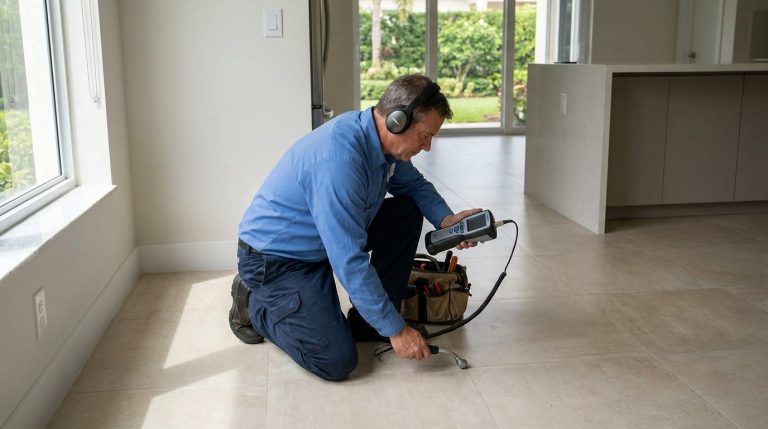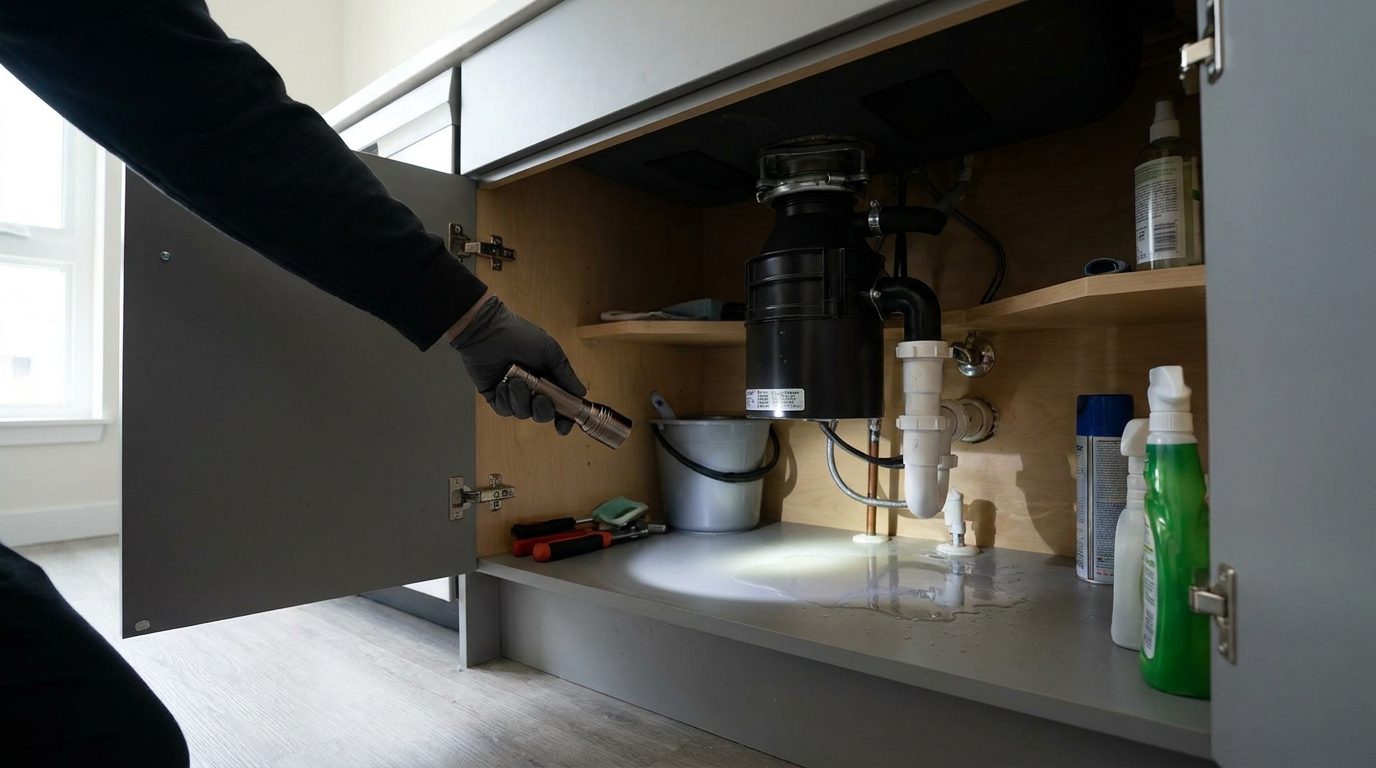
Discover why your disposal is dripping from its base and learn which leaks are a simple fix versus a critical sign you need a full replacement. The EPA WaterSense on household leaks notes how much water common household leaks waste each year.
A garbage disposal leaking from the bottom is almost always caused by a failed internal seal or a crack in the unit's housing. As of August 2026, this is not a repairable issue for homeowners; it signifies the end of the disposal's life and requires a complete replacement for safety and to prevent water damage.
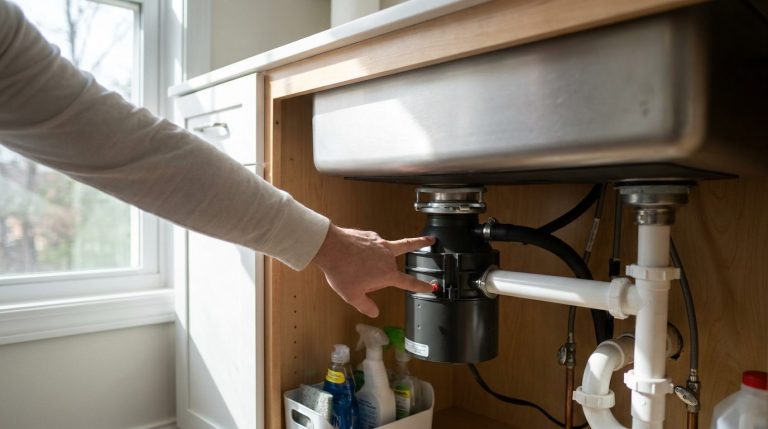
If you see water dripping directly from the main body or reset button on your garbage disposal, its internal shell has likely corroded and failed. This type of leak cannot be sealed or fixed. The only safe and permanent solution is to turn off the power at the breaker and replace the entire unit.
What Actually Causes a Garbage Disposal to Leak From the Bottom?
Finding a puddle under your kitchen sink is never a good sign, but the source of the leak matters immensely. While some drips are a simple fix, a leak from the bottom of the garbage disposal unit itself is the one you can’t ignore. It’s fundamentally different from a leak at a connection point.
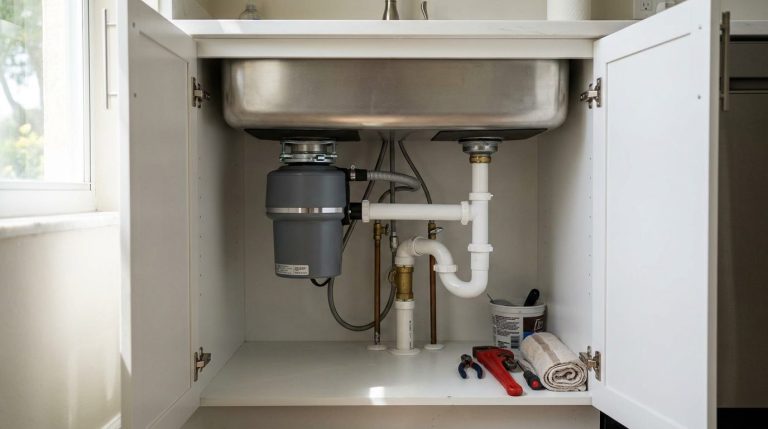
To understand why, you need to know what’s happening inside the unit. A garbage disposal is essentially a metal canister with a motor at the bottom and a grinding chamber at the top. A series of seals and gaskets separate the “wet” grinding chamber from the “dry” motor and electrical components. Over time, these internal seals wear out and fail.
Here in Boca Raton, this process is often accelerated by our very hard water, which leaves mineral deposits that can corrode metal and degrade rubber seals. Constant exposure to acidic foods and cleaning chemicals also takes a toll. Eventually, water breaches the internal seals and begins to drip through the housing.
The common causes for a bottom leak are:
- Internal Seal Failure: This is the most frequent culprit. The main seal around the motor shaft or other internal gaskets simply wears out from age and use, allowing water to seep into the motor housing and drip out the bottom.
- Cracked Housing: The internal body of the disposal can develop cracks due to stress, vibration, or corrosion. Sometimes a foreign object like a dropped spoon can cause a fracture. Once the inner shell is cracked, it’s a direct path for water to escape.
- Advanced Corrosion: In older units, particularly in Florida’s humid and salty air environment, the metal housing itself can rust through from the inside out. The drip you see might be coming from a pinhole in the corroded metal body.
"A drip from the bottom of the disposal isn't a leak you can patch. It's the unit's way of telling you its internal structure has failed."West Boca Water Heaters · Master Plumber
It’s crucial to distinguish this from leaks at the top (sink flange) or sides (dishwasher and drain connections). Those are often fixable by tightening a screw or replacing a $5 gasket. A leak from the bottom casing, however, means the unit is compromised beyond repair.
Is a Leaking Garbage Disposal an Emergency?
While it might not be a gushing pipe flooding your home, a garbage disposal leaking from the bottom is an urgent problem that requires immediate attention. The primary danger comes from the combination of water and electricity in close proximity.
The Safety Risk: Your garbage disposal is a powerful electrical appliance. Water dripping from the motor housing can easily come into contact with electrical wiring, creating a serious risk of electrical shock or a short circuit that could start a fire. This is why the very first step is always to turn off the power to the disposal at your home’s main circuit breaker panel.
The Water Damage Risk: Even a slow drip can cause significant damage over time. The particle board or plywood used for kitchen cabinets acts like a sponge, absorbing water. In Boca Raton’s humid climate, this is a perfect recipe for wood rot, warping, and dangerous mold growth that can compromise your home’s air quality and lead to expensive cabinet repairs. A small leak you ignore for a week can turn into a thousand-dollar remediation project.
Because we’re an owner-operated business available 24/7, we handle these calls frequently. While you can wait until the next business day if you shut off the power and stop using the sink, we recommend addressing it quickly to prevent secondary damage to your property.
Step-by-Step Guide: How to Safely Diagnose Your Disposal Leak
Before you can decide on a fix, you need to be 100% certain where the water is coming from. Follow these steps carefully. Your safety is the top priority.
- Turn Off All Power. Go to your home’s main electrical panel and flip the breaker that controls the garbage disposal to the OFF position. If you’re unsure which one it is, turn off the main breaker. Tape a note to the panel so no one accidentally turns it back on while you’re working.
- Clear and Dry the Area. Remove everything from under your sink. Use a towel to completely dry the disposal unit, all the pipes, and the cabinet floor. A dry surface will make it easy to spot a fresh drip.
- Check the Top Connection (Sink Flange). This is where the disposal connects to the sink drain. The putty or gasket here can fail. Feel all the way around the top of the disposal where it meets the sink. If it’s wet here, the flange is the likely culprit. This is a fixable issue.
- Check the Side Connections. Your disposal has two side connections: a small hose from the dishwasher and a larger pipe for the main drain. Check that the clamps and bolts on these connections are tight and dry. A leak here is also usually repairable.
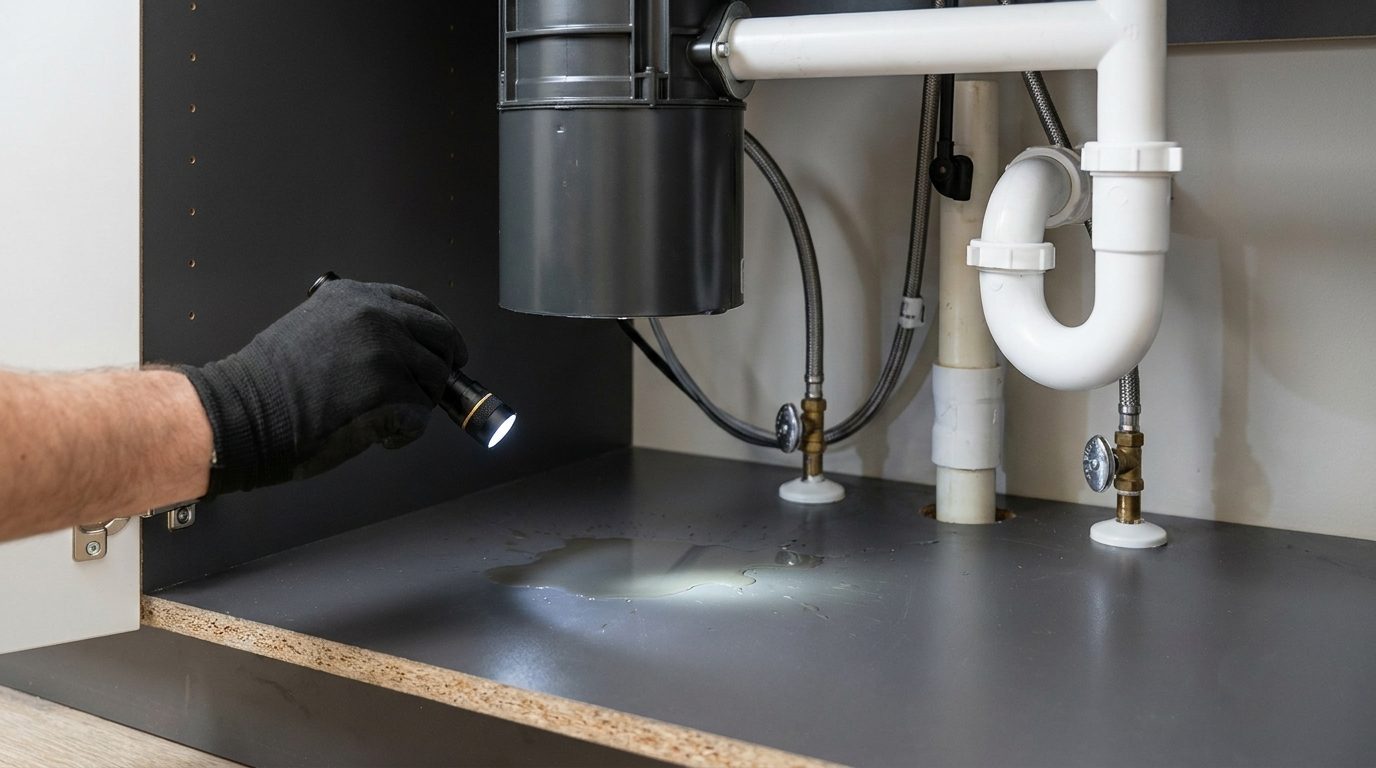
- Perform the Bottom Leak Test. If the top and sides are bone dry, it’s time to test the main housing. Place a dry paper towel or a shallow bowl directly under the unit. Close the sink drain with its stopper and fill the sink with a few inches of water. For better visibility, you can add a few drops of dark food coloring. Now, pull the stopper and let the water drain. Watch the unit closely.
- Confirm the Source. If you see water dripping from the main body of the disposal, the reset button, or any part of the bottom casing, you have confirmed a terminal leak. There is no need for further investigation. The unit needs to be replaced.
Repair vs. Replace: What's the Right Choice for a Bottom Leak?
When faced with a plumbing problem, the natural question is whether to repair or replace. For a garbage disposal leaking from the bottom, the answer is overwhelmingly clear. Attempting a repair is not only ineffective but also unsafe. This table breaks down why replacement is the only viable option.
| Criteria | Attempting a Repair | Professional Replacement |
|---|---|---|
| Feasibility | Impractical. Internal seals are not sold as replacement parts, and the housing cannot be safely patched. | Straightforward. A licensed plumber can typically replace a unit in 1-2 hours. |
| Cost | Appears cheap (cost of sealant), but fails quickly, leading to water damage costs and eventual replacement cost anyway. | Upfront cost of $350 - $800+ in Boca Raton (unit + labor), but it's a permanent solution. |
| Safety | Extremely high risk. A failed patch can lead to water contacting electrical components, causing shock or fire. | Very safe. A new unit is installed to code by a professional, ensuring electrical and plumbing connections are secure. |
| Longevity | Days, if that. The pressure, vibration, and corrosion will break any external seal almost immediately. | 8-15 years, depending on the model and usage. Starts the clock over on the appliance's lifespan. |
| Warranty | None. Any DIY repair voids any remaining manufacturer warranty. | Comes with a new manufacturer's warranty (typically 2-10 years) plus a workmanship warranty from the plumber. |
| Best For | Never recommended. This is a common but dangerous mistake. | Best for Any leak confirmed to be coming from the main body, casing, or reset button of the disposal. |
Key takeaway: Repairing a leak from the disposal's housing is a temporary, unsafe patch at best. Replacement is the only correct and permanent solution recommended by licensed plumbers.
Don't Try to Patch a Broken Disposal Shell.
I've seen it all in my 25+ years of plumbing in South Florida. Homeowners try silicone, epoxy, Flex Seal... it never works. The internal pressure from the water and the constant vibration from the motor will break that seal within days, and you're right back to a dangerous leak, often worse than before. You cannot fix a cracked engine block with duct tape, and you can't fix a failed disposal housing with caulk.
In Boca Raton, our hard water is tough on appliances. It eats away at the cheaper metal housings from the inside out. Once it fails, it's failed for good. A proper, professional garbage disposal replacement is safer, faster, and gives you a brand new warranty and peace of mind. It's simply not worth the risk to your home or your family to attempt a patch job.
How Much Does Garbage Disposal Replacement Cost in Boca Raton?
As of August 2026, the total cost for a homeowner in the Boca Raton, Delray Beach, or Boynton Beach area to have a garbage disposal professionally replaced typically ranges from $350 to $800. This price includes both the new unit and the labor from a licensed and insured plumber.
Several factors influence the final price:
- Disposal Unit Cost ($100 – $400+): The biggest variable is the unit itself. A basic 1/3 or 1/2 horsepower builder-grade model will be on the lower end, while a premium 3/4 or 1 HP unit with stainless steel grinding components and sound-dampening technology will be at the higher end.
- Labor Cost ($200 – $450): This covers the plumber’s time to disconnect and remove the old unit, properly install the new one, test all connections (plumbing and electrical), and clean up the work area. As a family-owned business, we provide clear, up-front pricing so you know the full cost before any work begins.
- Plumbing Complexity: If your existing drain lines are old, corroded, or improperly configured, they may need to be adjusted to fit the new disposal. This can add a small amount to the labor time.
When you get an upfront quote, we can help you choose the right model for your family’s needs and budget, ensuring you get a reliable appliance that will last.
5 Common Mistakes Homeowners Make With Leaking Disposals
Applying Sealant to the Housing
The most common error is trying to patch the bottom of the unit with silicone, epoxy, or waterproof tape. These products are not designed to withstand the internal pressure and vibration of a disposal and will fail, creating a false sense of security while the leak continues to damage your cabinet.
Forgetting to Kill the Power
Reaching under a sink to investigate a leak without first turning off the power at the circuit breaker is incredibly dangerous. Even if the disposal switch is off, a short circuit from the water could energize the unit's metal body, posing a severe shock hazard.
Misdiagnosing the Leak Source
Homeowners often assume any water under the sink is from the disposal itself. Before concluding the unit has failed, it's vital to check the sink flange, drain lines, and dishwasher connection. Fixing a loose clamp is much cheaper than replacing a perfectly good unit.
Buying an Improperly Sized Unit
When choosing a replacement, getting one that's too weak (e.g., 1/3 HP for a large family that cooks often) can lead to frequent jams and premature failure. Conversely, a massive 1 HP unit might be overkill and not fit the existing plumbing without modification.
Ignoring the Leak
Putting a bucket under the drip and forgetting about it is a recipe for disaster in Florida. The constant moisture will lead to mold, rot, and attract pests. What starts as a simple plumbing issue can quickly become a much larger and more expensive home repair problem.
The Bottom Line: Your Next Step Based on the Leak
Water is at the top or side connections.
If your diagnostic test shows water coming from the sink flange, dishwasher hose, or drain pipe, the disposal itself is likely fine. This is often a DIY-possible fix.
You're unsure of the source or safety.
If you can't pinpoint the leak, feel uncomfortable with the diagnosis, or have any concerns about electrical safety, do not guess. A professional can quickly and safely find the problem.
Water drips from the bottom housing.
A confirmed leak from the main body or reset button is a terminal diagnosis. The unit's internal structure has failed, and it is beyond repair. It is now a safety hazard.
Garbage Disposal Leak: Safety & Prevention Checklist
Immediate Actions & Long-Term Care
Use this checklist to handle a leak safely and keep your new disposal running smoothly.
- Power Off First. Before doing anything else, turn off the disposal's circuit breaker.
- Contain the Drip. Place a bucket or bowl under the unit to protect your cabinet floor.
- Confirm the Source. Follow the diagnostic steps to ensure the leak is from the bottom, not a loose connection.
- Do Not Use Sealants. Resist the urge to apply silicone or epoxy to the unit's housing. It won't work.
- Check Your Warranty. If your disposal is only a few years old, it might still be under warranty. Find your receipt or manual.
- Photograph the Old Unit. Take a picture of the sticker on the old disposal. It has the model number and specs needed for a proper replacement.
- Run Cold Water. With your new disposal, always run a strong stream of cold water before, during, and for 30 seconds after use.
- Avoid Fibrous Foods. Don't put celery, corn husks, onion skins, or artichokes down the disposal.
- Never Pour Grease. Avoid pouring grease, oil, or fat down any drain, especially the disposal.
- Clean it Regularly. Once a month, grind up a tray of ice cubes and some citrus peels to clean the grinding chamber and sharpen the impellers.
Frequently Asked Questions
Why is my brand new garbage disposal leaking from the bottom?
If a newly installed garbage disposal is leaking from the bottom, it's typically due to one of two reasons: a manufacturing defect (a cracked housing or faulty seal from the factory) or an installation error, such as over-tightening the mounting bolts and cracking the unit. In either case, it should be covered by the manufacturer's warranty and/or the installer's workmanship guarantee. Do not attempt to fix it; contact the installer immediately.
Can I still use my sink if the garbage disposal is leaking?
It is not recommended. Even if you don't run the disposal, running water through the sink will still flow through the leaking unit, worsening the leak and water damage. More importantly, using the sink maintains the moisture around a high-voltage electrical appliance, which is a safety hazard. It's best to avoid using the sink entirely until the unit is replaced.
How long should a garbage disposal last in Florida?
The average lifespan of a garbage disposal is 8 to 15 years. However, in areas like Boca Raton with hard water, the lifespan can be on the shorter end of that range, closer to 8-12 years. The mineral buildup accelerates corrosion on the internal metal components. Choosing a model with stainless steel grinding components can help extend its life.
Is it worth repairing a 10-year-old garbage disposal?
Generally, no. For a leak from the bottom, it's never worth repairing. For other issues like humming or jamming on an older unit, the cost of a service call and potential parts can quickly approach the cost of a new, more efficient model with a full warranty. Once a disposal is past the 8-10 year mark, replacement is usually the more cost-effective decision.
What causes a disposal to hum but not spin?
A humming sound without spinning almost always indicates a jam. Something is stuck between the impeller plate and the grinding ring. You can often clear this yourself by first turning off the power at the breaker, then using an Allen wrench (often included with the unit) in the socket on the very bottom of the disposal to manually turn the motor back and forth to free the jam. Never put your hand inside the disposal.
Can you get rid of recurring sink clogs with a new disposal?
While a powerful new disposal can help grind food more effectively and prevent future clogs, it won't solve an existing problem deep in your drain lines. If you have recurring sink clogs, you likely have a buildup of grease and sludge in the pipes that needs to be professionally cleaned out.
End That Under-Sink Drip for Good.
A leaking garbage disposal is a problem that only gets worse. For safe, expert garbage disposal replacement in Boca Raton, Delray Beach, and Boynton Beach, trust an experienced, owner-operated business. We provide upfront pricing, professional installation, and the peace of mind that the job is done right.
Permitted work must meet the Florida Building Code, which sets the standard your plumber works to.